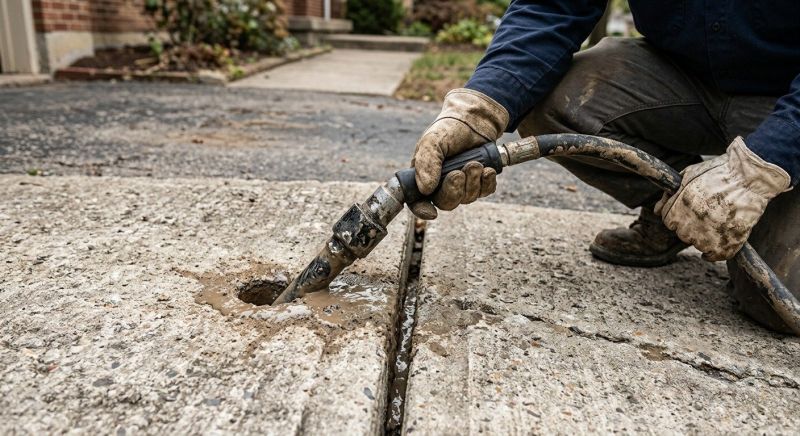
Driveway Raising in Denver, CO
Driveway raising services involve elevating and leveling existing driveways to address uneven surfaces, sinking, or cracks that can develop over time. This process is suitable for a variety of projects, including residential driveways that have settled due to soil movement, cracks caused by temperature fluctuations, or surface deterioration from regular use. Property owners often request driveway raising to improve curb appeal, prevent further damage, and create a safer, more even surface for vehicles and pedestrians.
Before requesting driveway raising, homeowners typically want to understand the extent of the existing damage, the methods used for lifting and leveling, and how the process will impact their property. It is also helpful to know what preparations are needed prior to work and any potential considerations for future maintenance. Proper assessment ensures that the driveway can be effectively stabilized and restored to a level, functional condition.
Many property owners in Denver, CO look into Driveway Raising for repairs, replacements, upgrades, and appearance-related improvements.
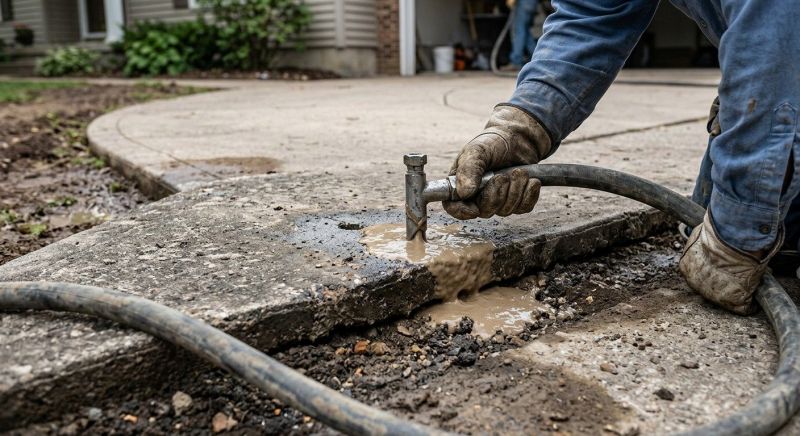
Benefits Of Driveway Raising
Raising a driveway can improve drainage and prevent water damage around your property.
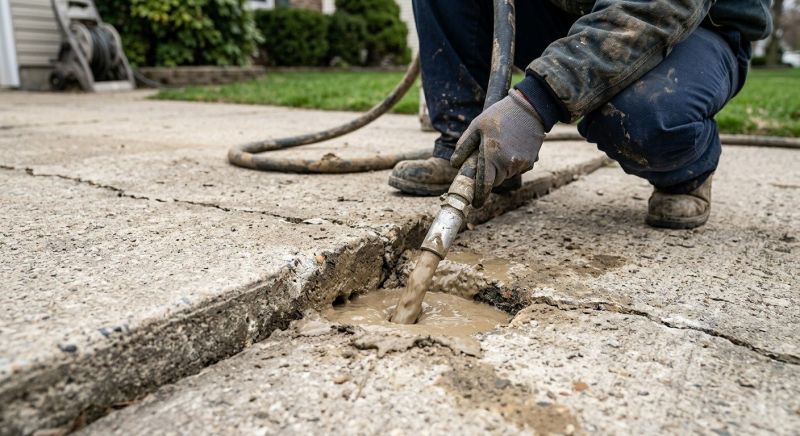
Common Reasons For Raising Driveways
Driveways may need to be raised due to settling, cracking, or to accommodate new landscaping features.
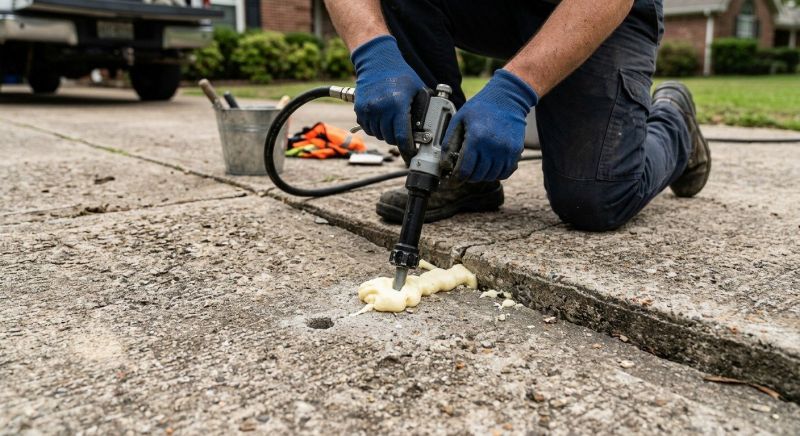
Materials And Techniques Used
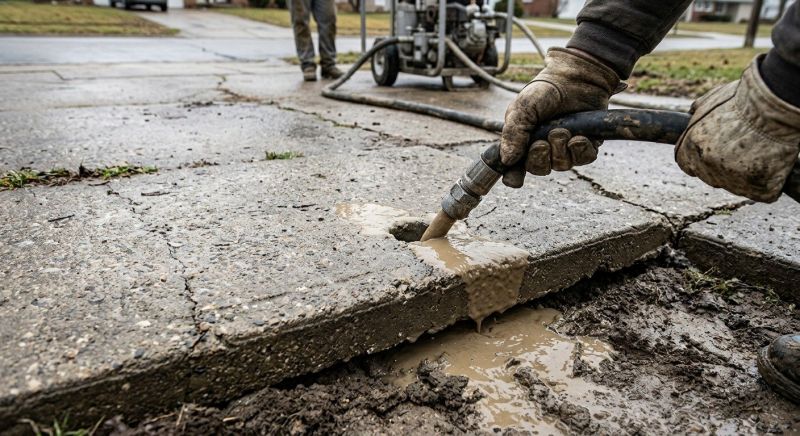
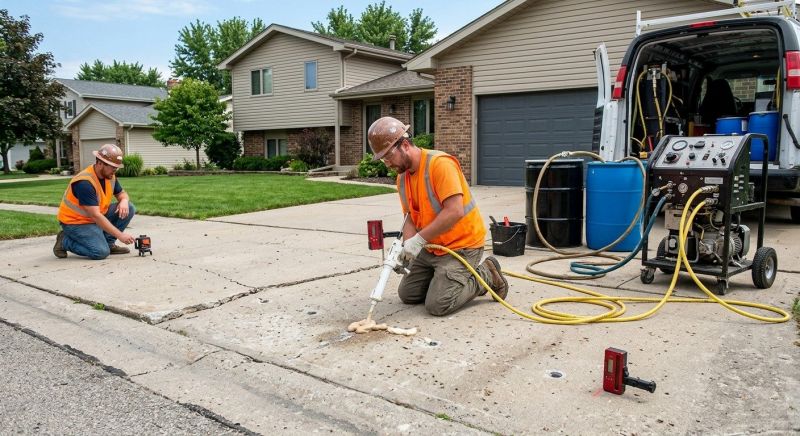
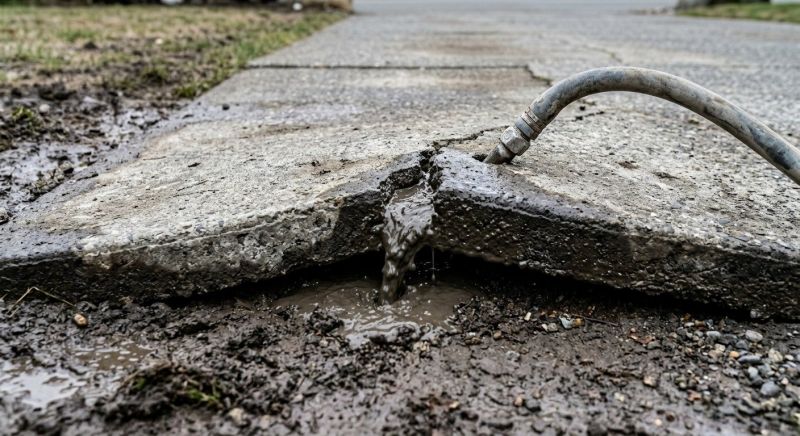
Various methods like mudjacking or foam lifting are used to restore driveway levelness efficiently and effectively.
Driveway Raising in Denver, CO

Driveway raising services involve elevating and leveling existing driveways to address uneven surfaces, sinking, or cracks that can develop over time. This process is suitable for a variety of projects, including residential driveways that have settled due to soil movement, cracks caused by temperature fluctuations, or surface deterioration from regular use. Property owners often request driveway raising to improve curb appeal, prevent further damage, and create a safer, more even surface for vehicles and pedestrians.
Before requesting driveway raising, homeowners typically want to understand the extent of the existing damage, the methods used for lifting and leveling, and how the process will impact their property. It is also helpful to know what preparations are needed prior to work and any potential considerations for future maintenance. Proper assessment ensures that the driveway can be effectively stabilized and restored to a level, functional condition.
Many property owners in Denver, CO look into Driveway Raising for repairs, replacements, upgrades, and appearance-related improvements.
Common Driveway Raising Jobs
Driveway Raising - elevates uneven or sunken driveways to improve curb appeal and safety.
Driveway Leveling - corrects slopes and dips to create a smooth, even surface for vehicles and pedestrians.
Concrete Driveway Raising - restores sunken or cracked concrete to extend the driveway’s lifespan.
Asphalt Driveway Raising - lifts and stabilizes asphalt surfaces affected by settling or erosion.
Subgrade Stabilization - improves the foundation beneath the driveway for long-lasting results.
Driveway Regrading - reshapes the driveway surface to ensure proper drainage and prevent future issues.
Driveway Raising Questions
What is driveway raising? Driveway raising involves elevating the existing surface to correct unevenness or improve drainage, enhancing safety and appearance.
Why consider driveway raising? Raising a driveway can prevent water pooling, reduce trip hazards, and improve curb appeal on residential properties.
What types of driveways can be raised? Asphalt, concrete, and gravel driveways can be raised to address specific leveling or elevation needs.
Is driveway raising suitable for all property types? It is suitable for most residential properties where driveway unevenness or drainage issues are present.
Request Driveway Raising in Denver, CO
Use the quote form on this page to share the basics of your project and request more information for the type of work you need.